Nov. 17, 2026
Share:
Finding a reliable knitwear manufacturer in China is an important decision for any fashion brand, clothing retailer, or independent designer planning to develop a knitwear collection.
China has a well-established garment manufacturing industry, offering extensive yarn options, advanced knitting technology, skilled technicians, and flexible production capabilities. However, not every supplier offers the same level of quality, communication, product development support, or production reliability.
For fashion brands, choosing the right manufacturing partner is about much more than finding the lowest quotation. It is about finding a factory that understands your designs, maintains consistent quality, communicates clearly, and can support your business as it grows.
So, how can you identify a reliable knitwear manufacturer in China?
Here are seven important factors to consider before making your decision.
The first step is to understand whether you are communicating directly with a manufacturer or a trading company.
Both can serve different business needs, but working directly with a factory can offer better visibility into production processes, sampling arrangements, quality management, and manufacturing schedules.
When evaluating a knitwear factory, consider:
Factory location and production facilities
Number and types of knitting machines
Production capacity and workforce
Available knitting gauges and techniques
In-house sampling and design teams
Sewing, linking, washing, finishing, and packing capabilities
A professional knitwear manufacturer should be able to explain how your products move through each production stage.
For example, computerized flat knitting machines support different knitting structures, gauges, and design requirements. The factory's technical experience is equally important because machinery alone cannot guarantee a well-made garment.
At FNJIA, we have more than 21 years of experience in knitwear manufacturing, with over 8,000 square meters of factory space, 500+ employees, and 1,000+ machines and production equipment.
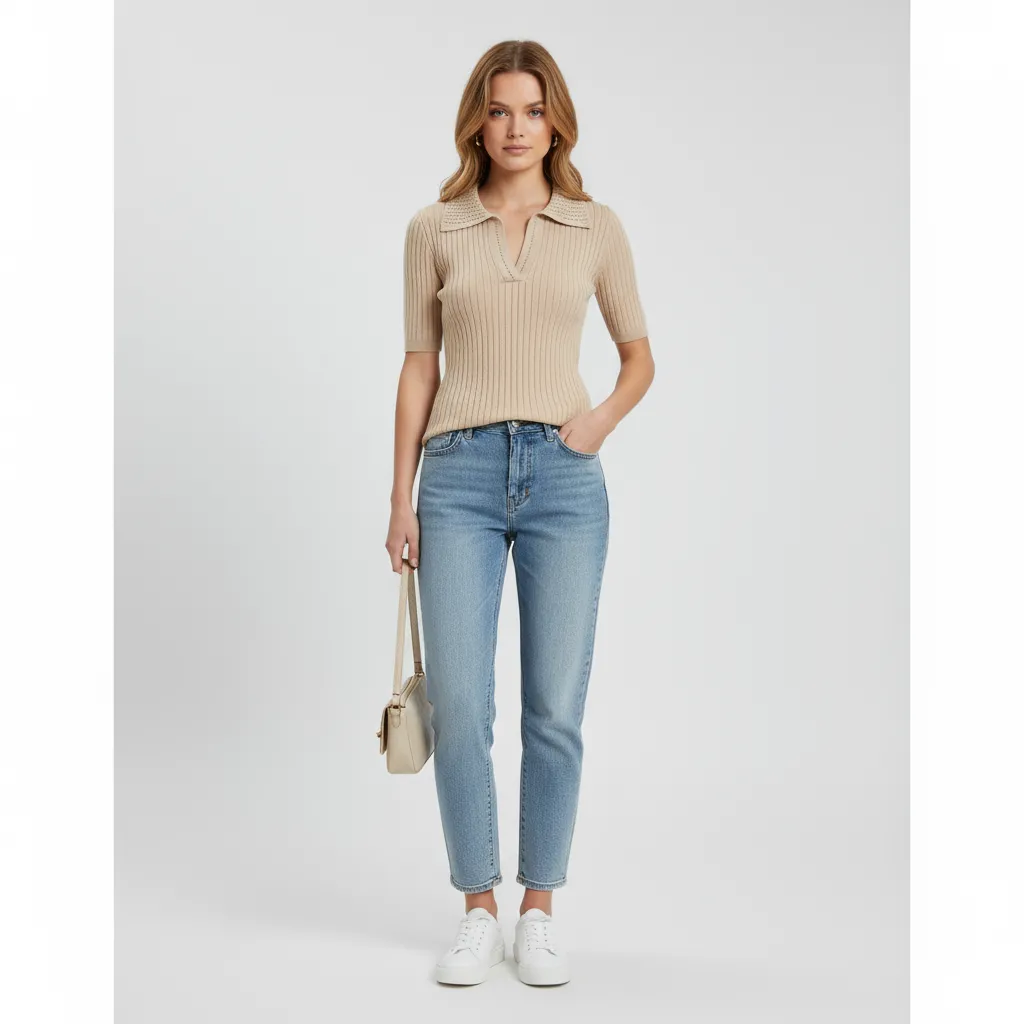
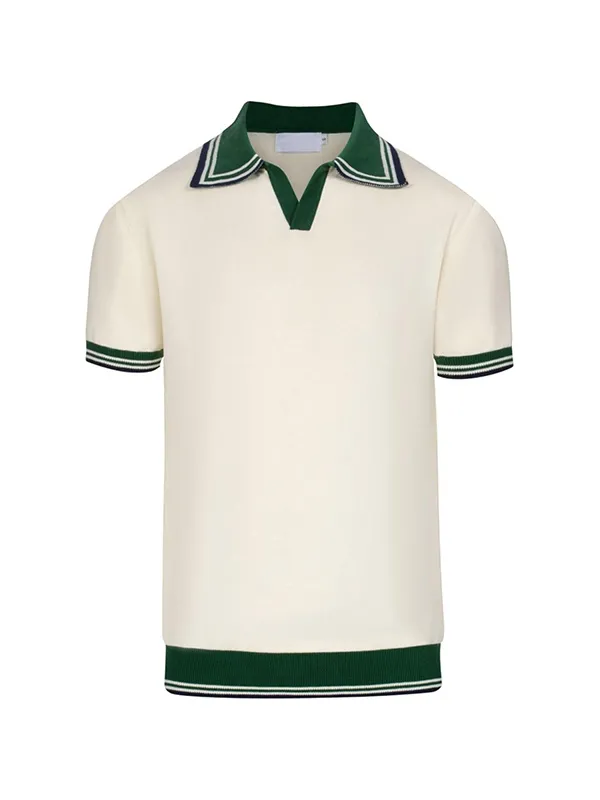
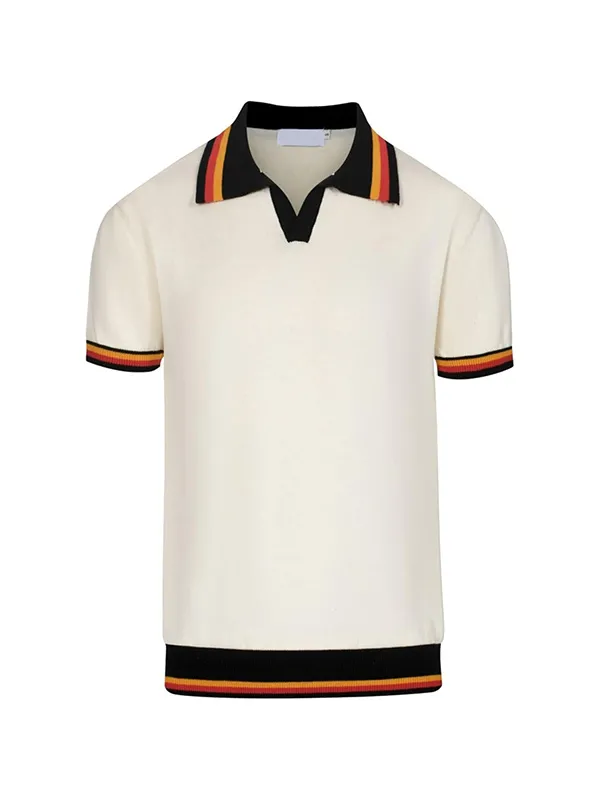
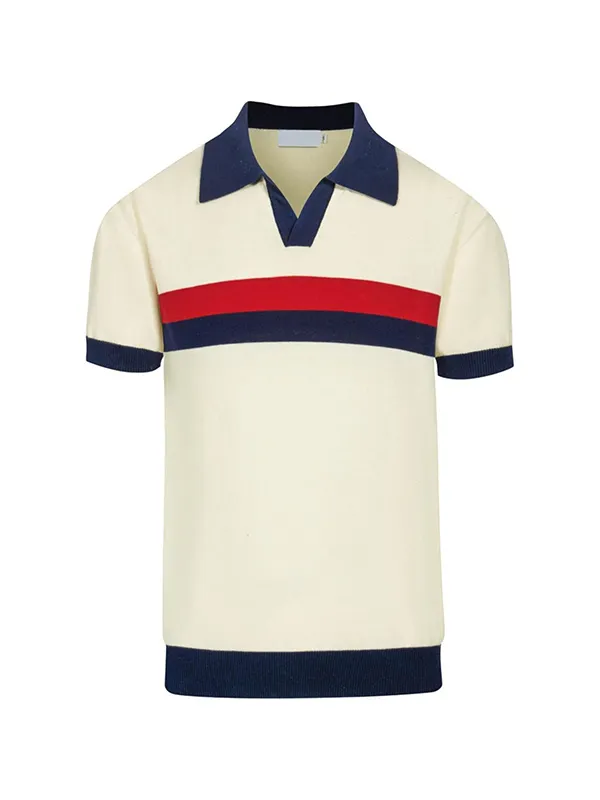
Our production capabilities cover the development and manufacturing of custom sweaters, cardigans, knitted polo shirts, sweater vests, and seasonal knitwear collections.
A reliable manufacturer should do more than reproduce an existing sample.
For fashion brands, product development often begins with a design sketch, reference image, tech pack, or physical sample. Turning these ideas into a production-ready garment requires technical knowledge and effective communication.
Before choosing a supplier, find out whether the factory can assist with:
Interpreting technical packs and garment specifications
Recommending suitable yarn compositions
Selecting knitting gauges and stitch structures
Developing patterns and garment measurements
Adjusting fit, shape, and proportions
Reproducing complex patterns and decorative details
Sampling is one of the best ways to evaluate a manufacturer's actual capabilities.
Pay attention to the garment's hand feel, weight, stitch consistency, measurements, finishing, and overall appearance.
A professional supplier should also be willing to discuss necessary adjustments rather than simply asking you to accept the first sample.
At FNJIA, our design and sampling teams support custom knitwear development from initial concepts to finished samples.
Our typical sampling lead time is 3–5 days, depending on design complexity, yarn availability, and development requirements.
Sample fees can also be refunded after a qualifying bulk order, according to the agreed terms.
Yarn selection has a direct impact on the appearance, comfort, durability, and cost of knitwear.
Different collections require different material solutions.
For example:
Cotton: Suitable for breathable spring and summer knitwear.
Merino Wool: Often selected for soft, lightweight, and temperature-regulating garments.
Cashmere: Offers a luxurious hand feel and lightweight warmth.
Viscose and Modal: Can provide a smooth surface and attractive drape.
Acrylic Blends: Offer versatile options for different price points and design requirements.
Cotton Blends: Can balance comfort, structure, and durability.
A reliable knitwear manufacturer should understand how yarn composition, yarn count, machine gauge, and stitch structure work together.
Do not choose materials based only on the composition percentage. Ask for yarn samples, compare different options, and evaluate the finished garment whenever possible.
The right supplier should be able to explain the advantages and limitations of different materials based on your target market and product positioning.
Quality control should not begin only after the garments are finished.
A dependable knitwear manufacturer should have quality checkpoints throughout the production process.
Important inspection stages include:
Before Production
Confirm yarn composition and color.
Check approved samples and specifications.
Review garment measurements and construction details.
Confirm workmanship and acceptable quality standards.
During Production
Monitor knitting consistency.
Check panel dimensions and garment construction.
Inspect linking, sewing, and finishing.
Identify defects early and arrange corrections.
Before Shipment
Check garment measurements.
Inspect stitching, loose threads, and surface defects.
Review labels, packaging, and order quantities.
Conduct final garment inspections.
For brands selling in competitive markets, consistent quality across the entire order is essential.
You should also ask whether the manufacturer accepts third-party inspections and whether quality requirements can be documented before production.
At FNJIA, we implement quality checks throughout manufacturing and conduct 100% final inspection before shipment. Third-party inspections are also welcome.
Minimum order quantity, pricing, and delivery schedules are important when selecting a supplier, especially for emerging fashion brands.
However, the cheapest quotation is not necessarily the best choice.
A manufacturer's quotation may vary depending on:
Yarn composition and yarn quality
Knitting gauge and stitch complexity
Garment weight and construction
Embroidery, jacquard, intarsia, and other techniques
Labels, trims, and customized packaging
Order quantity and size distribution
When comparing quotations, make sure all suppliers are quoting based on the same specifications.
It is also important to understand the manufacturer's MOQ policy.
For example, FNJIA's standard MOQ starts from 100 pieces per style. Actual requirements may vary depending on the design, materials, and production arrangements.
Typical production timelines include:
Sampling: 3–5 days.
Bulk Production: Approximately 15–20 days, depending on order quantity and production complexity.
Always request a confirmed production schedule before placing an order.
A transparent manufacturer should explain the expected timeline and communicate promptly if any changes occur.
For brands selling in Europe, North America, and other international markets, supplier compliance is another important consideration.
Depending on your product and market requirements, you may need to evaluate:
BSCI
WRAP
OEKO-TEX®
ISO 9001
Applicable product testing and material requirements
Remember that certifications serve different purposes. Ask for current certificates and verify that their scope is relevant to your requirements.
Communication is equally important.
During the development process, observe whether your supplier:
Understands your requirements correctly.
Responds to technical questions clearly.
Provides realistic quotations and timelines.
Shares progress updates.
Identifies potential production problems early.
Takes responsibility for resolving issues.
A manufacturer that communicates well can help prevent misunderstandings, unnecessary sample revisions, and production delays.
Even after reviewing factory information, certifications, and production capabilities, you should not rely entirely on promises.
A sample order provides an opportunity to evaluate the manufacturer's actual workmanship and service.
Before confirming a long-term partnership, consider checking:
Whether the sample matches your design reference.
Whether the material and hand feel meet expectations.
Whether measurements and fit are accurate.
Whether finishing and construction are consistent.
Whether the supplier communicates effectively during development.
Once the sample is approved, make sure the approved specifications, materials, measurements, and quality requirements are clearly documented for bulk production.
A good manufacturing relationship develops through clear expectations, consistent performance, and mutual trust.
At Dongguan FNJIA Knitwear Co., Ltd., we understand that every fashion brand has different product requirements, target customers, and production expectations.
With more than 21 years of knitwear manufacturing experience, we support fashion brands, wholesalers, retailers, and independent designers with custom OEM and ODM knitwear solutions.
Our Manufacturing Capabilities
21+ years of knitwear manufacturing experience
8,000+ sqm factory area
500+ employees
1,000+ machines and production equipment
8+ professional designers
15+ sampling specialists
Monthly production capacity of approximately 100,000 pieces
Standard MOQ starting from 100 pieces per style
Our Custom Knitwear Services
Custom sweaters and cardigans
Men's and women's knitted polo shirts
Knitwear vests and seasonal collections
Jacquard and intarsia knitting
Embroidery and customized details
Yarn and color development
Private label and customized packaging
OEM and ODM product development
From design interpretation and yarn selection to sampling, bulk production, quality inspection, and shipment, we aim to provide a coordinated manufacturing service for our customers.
We also welcome factory visits and third-party inspections, allowing potential partners to understand our production capabilities firsthand.
Q1: What is the typical MOQ for custom knitwear in China?
MOQ varies between manufacturers and depends on yarn, design complexity, and production requirements. At FNJIA, our standard MOQ starts from 100 pieces per style.
Q2: How long does it take to develop a custom knitwear sample?
A typical sample takes approximately 3–5 days, depending on design complexity and yarn availability.
Q3: Can I send my own design or tech pack to a Chinese knitwear manufacturer?
Yes. Professional OEM and ODM manufacturers can work with technical packs, sketches, reference images, and physical samples to develop custom garments.
Q4: How can I ensure consistent quality during bulk production?
Approve a pre-production sample, confirm material and measurement specifications, establish quality standards, and arrange inspections during and after production.
Q5: Should I choose an OEM or ODM knitwear manufacturer?
OEM is suitable when you already have your own designs and technical specifications. ODM is useful when you need support with design development, material selection, and product creation.
Choosing a reliable knitwear manufacturer is not simply about finding a supplier for your next order. It is about building a manufacturing partnership that can support your brand's product development and long-term growth.
Whether you are developing a new sweater collection, sourcing private label knitwear, or looking for a dependable OEM and ODM manufacturing partner in China, FNJIA is ready to discuss your project.
Let's turn your knitwear ideas into production-ready products.
Send us your design sketches, tech pack, reference images, or existing samples.
Our team will review your requirements and help you explore suitable materials, knitting techniques, sampling arrangements, and production solutions.
Contact FNJIA
Website: https://www.fnjiaknitwear.com/
Email: fnjia@fnjiaknitwear.com
Dongguan FNJIA Knitwear Co., Ltd.
Your Knitwear Manufacturing Partner in China.
HOT PRODUCTS