Sep. 28, 2026
Share:
For fashion brands choosing between fully fashioned and cut-and-sew knitwear, the decision should depend on garment construction, design complexity, target fit, production quantity, acceptable material waste and required appearance. Fully fashioned knitting is generally more suitable when the garment shape and knitted panels are central to the design, while cut-and-sew construction can be practical when buyers need familiar apparel construction, flexible panel shapes or specific fabric characteristics. Neither method is automatically better for every product.
The key purchasing mistake is selecting a production method before confirming the garment's technical requirements. A buyer should first determine whether the product needs knitted-to-shape panels, complex stitch details, a particular fabric behavior or conventional cut-and-sew construction.
Fully fashioned knitwear is produced by knitting garment components or panels into shapes that closely follow the final garment dimensions. The manufacturing process can reduce the amount of cutting required and allows the knitted structure itself to contribute to the garment's shape.
Cut-and-sew knitwear starts with knitted fabric that is produced in a broader form. Garment panels are then cut according to patterns and assembled using sewing operations.
The difference is therefore not simply “knitting versus sewing.” Both methods involve knitting and sewing-related processes; the main distinction is how the fabric is shaped and assembled into the final garment.
| Buyer Requirement | Fully Fashioned | Cut-and-Sew |
|---|---|---|
| Sweaters and cardigans | Strong fit | Possible |
| Knit T-shirts | Possible | Strong fit |
| Complex knitted shaping | Strong fit | More cutting required |
| Graphic or fabric-led designs | Depends on construction | Flexible |
| Panel-based garments | Strong fit | Strong fit |
| Small design changes | May require knitting adjustments | Pattern changes can be practical |
| Material utilization | Can reduce cutting waste | Cutting waste depends on marker efficiency |
| Traditional apparel construction | Less central | Strong fit |
This table is a sourcing framework rather than a fixed rule. Actual feasibility depends on yarn, gauge, fabric width, pattern, garment construction and factory equipment.
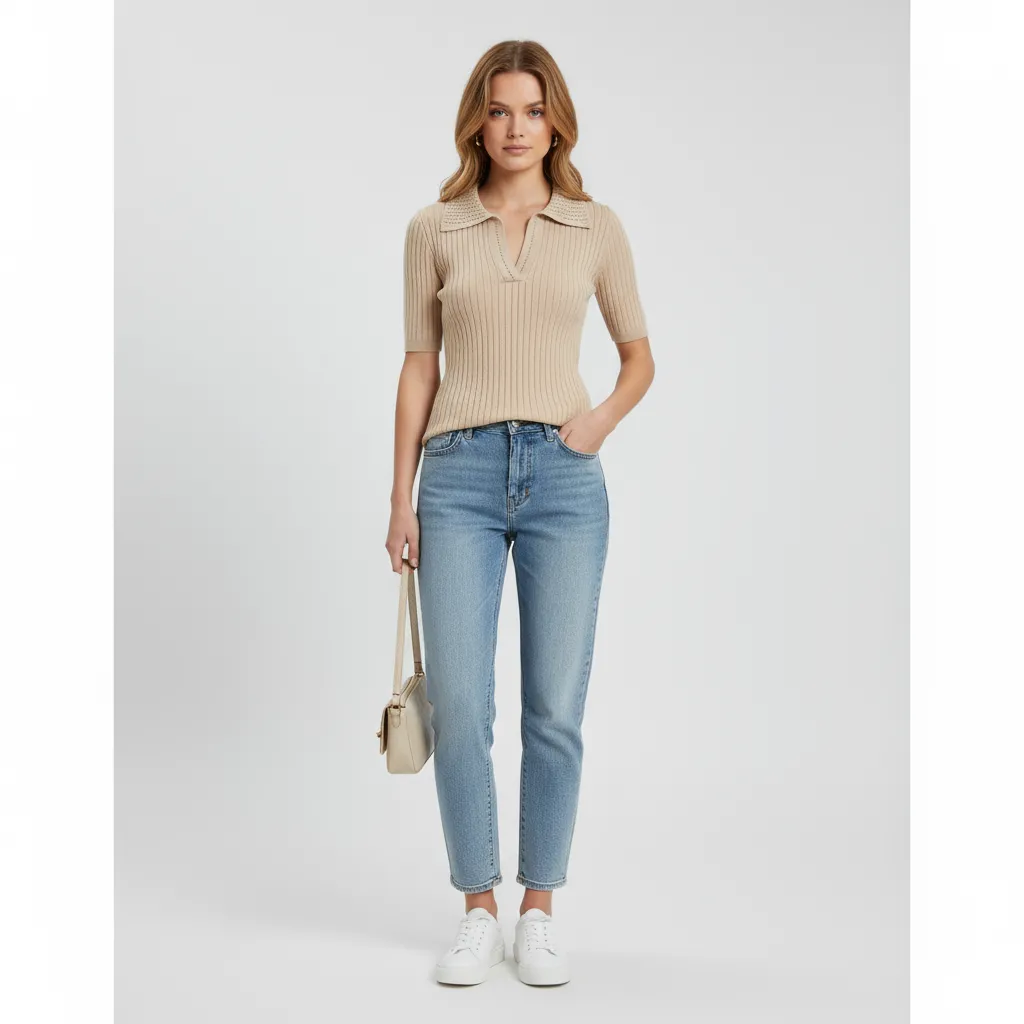
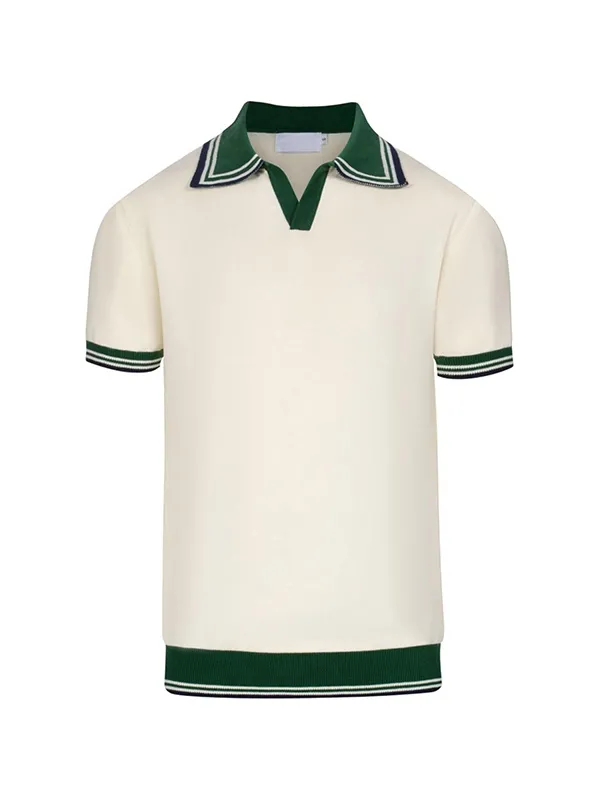
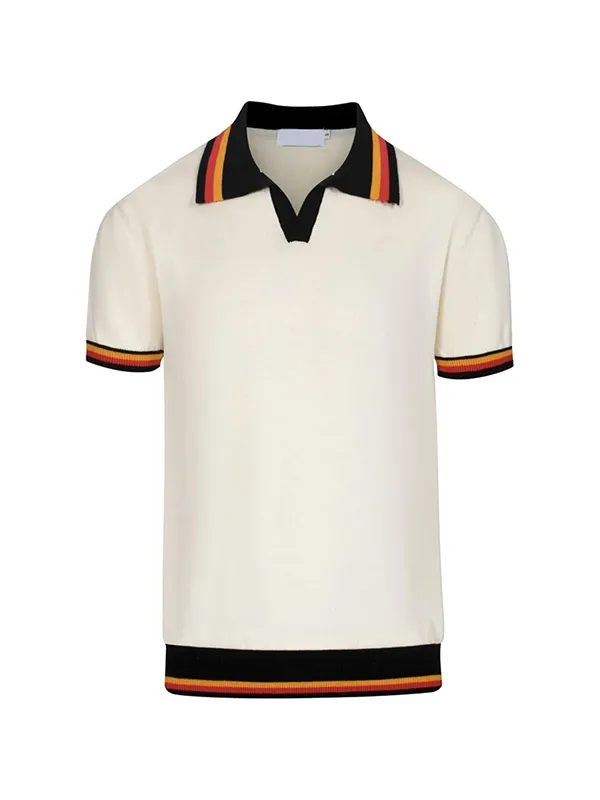
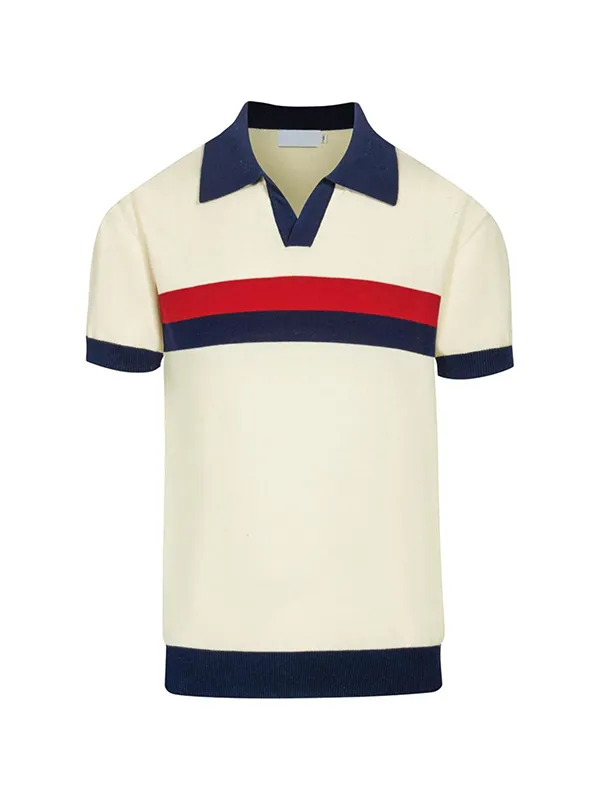
FNJIA's product portfolio includes sweaters, cardigans, polo shirts, T-shirts, hoodies, dresses and other knitted garments, so the appropriate construction can be evaluated according to the individual product rather than treating every knitwear order the same way.
Fully fashioned construction can be considered when the knitted structure itself is an important part of the product.
Typical applications include:
Sweaters
Cardigans
Shaped knit tops
Fashion knitwear
Garments requiring engineered panel dimensions
Designs with distinctive knit structures
The method can provide more direct control over the relationship between knitting structure and garment shape. However, the development process can become more demanding when the design contains unusual dimensions, complicated shaping or multiple construction changes.
Cut-and-sew can be practical when the buyer already has a fabric specification and wants to use conventional garment patterns and sewing operations.
It may be appropriate for:
Knit T-shirts
Simple knit tops
Sports and casual garments
Styles requiring extensive printed or decorative panels
Designs based on existing knitted fabric
The method can also be useful when the buyer wants the same fabric to support several different garment shapes.
However, cutting introduces another purchasing consideration: fabric utilization. Pattern layout, garment size distribution and fabric width can affect material consumption and therefore the final cost.
No. Reduced cutting waste does not automatically mean lower total garment cost.
A fully fashioned garment may require more sophisticated knitting programming, more knitting time, additional shaping operations or tighter production control. A cut-and-sew garment may use more fabric but have a relatively straightforward production process.
Buyers should therefore compare total landed manufacturing cost, not only fabric consumption.
A useful cost comparison includes:
| Cost Factor | Fully Fashioned | Cut-and-Sew |
|---|---|---|
| Yarn/fabric consumption | Construction dependent | Includes cutting waste |
| Knitting time | Potentially higher | Fabric production plus cutting |
| Pattern development | Integrated with knitting | Conventional pattern making |
| Sewing | Still required for assembly | Major assembly stage |
| Development cost | Depends on design complexity | Depends on pattern complexity |
| Decoration | Depends on design | Often flexible at panel stage |
| Bulk consistency | Requires knitting process control | Requires fabric and cutting control |
The actual cost must be quoted against the specific design rather than estimated from construction type alone.
The first risk is size inconsistency.
Knitted structures can respond differently to tension, washing and finishing. A design that is dimensionally correct in the first sample may require adjustment before bulk production.
The second risk is fabric or panel distortion.
If the knitted structure is not properly controlled, panels can behave differently after finishing or washing.
The third risk is unexpected material consumption.
For cut-and-sew production, the pattern layout and size ratio influence fabric utilization. For fully fashioned production, yarn consumption is influenced by garment dimensions and knitting construction.
The fourth risk is appearance inconsistency.
Changes in yarn lot, tension, stitch density, finishing or color can create differences between samples and bulk production.
For buyers, these risks reinforce the importance of establishing a measurable technical specification before approving the purchase order.
Instead of asking a manufacturer to recommend one method immediately, buyers can request a sample-development comparison.
For example:
Option A: Fully fashioned
Evaluate shape accuracy, stitch appearance, hand feel, panel consistency, garment weight and finishing.
Option B: Cut-and-sew
Evaluate fabric weight, pattern accuracy, seam appearance, material utilization, garment measurements and finishing.
The buyer can then compare the samples against the intended retail product.
This is especially useful when the garment is positioned at a premium price point, because the construction method may influence the product's appearance and perceived quality.
Yes. Some commercial knitwear products can use a combination of knitted components and conventional cut-and-sew operations.
A hybrid approach may be considered when the design contains both engineered knitted sections and fabric panels. The important issue is ensuring that the different components have compatible dimensions, stretch, recovery, color and washing behavior.
This should be confirmed during development rather than assumed from the design sketch.
A buyer should provide as much technical information as available:
Garment category
Reference images or physical sample
Target fabric or yarn
Desired gauge, if known
Size range
Target quantity
Color requirements
Logo or decoration requirements
Packaging requirements
Intended market and season
Washing and care requirements
Required delivery schedule
If the buyer does not know whether fully fashioned or cut-and-sew is more suitable, that should also be stated.
At FNJIA, our development process begins with the buyer's design ideas, fabric preferences, quantities and budget before moving into technical development and prototypes.
For buyers interested in the broader range of available knitted garments and customization options, FNJIA's product section covers men's, women's and children's knitwear, with customization available for yarn, colors, patterns, fit, embroidery, printing, labels and packaging.
Production quantity can influence which construction method makes commercial sense.
For a repeat program with established styles, investing more effort in optimized knitting construction may become worthwhile because the development cost can be spread across future orders.
For a highly variable collection with frequent pattern changes, cut-and-sew construction may provide different development advantages.
However, quantity alone should not determine the method. The product's technical requirements must remain the primary consideration.
Not automatically. Perceived quality depends on yarn, construction, finishing, workmanship, fit and quality control rather than the production method alone. Both methods can produce commercial or premium garments when properly engineered.
Fully fashioned production can reduce cutting waste because garment components can be knitted closer to their final shapes. However, actual material efficiency depends on the design, yarn, knitting construction and production process.
There is no universal price difference. Total cost depends on yarn or fabric price, knitting time, cutting utilization, sewing operations, design complexity, order quantity and finishing requirements.
Fully fashioned construction is often worth evaluating for sweaters because shaping and knitted structure are important to many sweater designs. Nevertheless, cut-and-sew can also be appropriate when the product is based on a specific knitted fabric and conventional pattern construction.
For designs where the production method is uncertain, comparing two development approaches can be useful. The comparison should focus on finished measurements, appearance, hand feel, weight, material consumption, workmanship and estimated bulk-production cost.
Sometimes, but changing the construction method can affect measurements, material consumption, appearance and cost. Buyers should therefore confirm the production method before bulk production rather than making a late-stage change without a new technical review.
The choice between fully fashioned and cut-and-sew knitwear should be based on the garment design, knitted structure, fit requirements, material utilization, production complexity and target cost. Buyers should avoid selecting a method solely because it appears cheaper or more advanced; the correct approach is to compare finished samples and measurable production requirements.
For brands, wholesalers and private-label buyers developing a new knitwear collection, FNJIA can evaluate the design and production requirements before sampling. Send your product drawings, reference samples, target quantity or technical requirements to fnjia@fnjiaknitwear.com to discuss a suitable knitwear production solution.
HOT PRODUCTS